Primary research / Project WornOut

What Kolkata told us

Real conversations. Different generations. One changing way of shopping.

As part of Project Wornout, we conducted face-to-face consumer interviews to understand what influences clothing choices, why consumers continue to choose fast fashion, and what may prevent them from considering traditional or slower alternatives.

20+ consumer interviewsAges recorded: 16–35Kolkata

Not every participant was asked exactly the same questions. Numerical findings therefore show the number of respondents who answered that particular question and should not be treated as representative of Kolkata as a whole.

“I heard that Zara exploits children in Bangladesh, but I haven’t stopped buying.”
— Student in Kolkata, age 16

This reflects an allegation the respondent said they had heard and is presented here as evidence of the respondent's awareness, not as verification of the allegation itself.

Awareness Action

The same respondent described Zara clothing as “cute” and “trendy” and said fast fashion was easier to access through malls and online shopping. This highlights one of the strongest patterns emerging from our interviews: awareness of ethical or environmental concerns does not necessarily translate into a change in purchasing behaviour.

5 / 8
continued their usual purchasing

“Among respondents who clearly answered whether ethical or environmental concerns had changed their shopping, five had not stopped purchasing because of these concerns.”

3 / 8
had made some change

“Three described reducing, avoiding or changing some purchases because of ethical or environmental concerns.”

Knowing about the problem may not be enough to change where people shop.
What actually influenced people?

Primary research / Project WornOut
PRICE

Affordable wins attention.

Our interviews repeatedly mentioned affordability or value.

Examples included H&M being described as “pocket-friendly”, Westside being chosen partly because it was perceived as cheaper than Zara or H&M, and traditional markets being valued by one older respondent for “worth for money.”

Interview theme / price + value
STYLE

Looking current still matters.

Respondents described established retailers using words such as:

“cute”“trendy”“stylish”“good collection”

A 16-year-old respondent specifically chose Zara because its clothing felt current and fashionable.

Interview theme / style + trends
ACCESS

Easy to find. Easy to buy.

A 16-year-old respondent explained that fast fashion was easier to choose because brands were readily available in malls and online.

Other respondents said they did not know where to find sustainable retailers or felt that fewer alternatives were available.

Interview theme / convenience + availability
DISCOUNTS
4 / 6

“Four of the six respondents who directly answered the discounts question said discounts could make them more inclined to purchase.”

Price can influence not only what people buy, but whether they buy at all.

Primary interview data
THE FEED

Sometimes the trend finds you first.

One 25-year-old respondent explained that if she saw something she liked on Instagram, she would consider buying it.

“Social media appeared alongside trends and style as one possible route through which consumers discover clothing.”

Interview observation
QUALITY

Fast doesn’t always mean “cheap” to the consumer.

Some respondents chose established retailers because they believed their products were durable, reliable or useful as everyday basics.

This shows that consumers do not necessarily perceive fast fashion only through low price — quality and practicality can also influence brand preference.

Interview theme / quality
Primary research / Project WornOut

Interest isn’t always the problem.

Finding the alternative might be.

Several respondents expressed interest in thrifting, upcycling, organic clothing or other more sustainable options. However, interviews also identified barriers such as price, limited awareness of retailers, convenience and accessibility.

PRICE

Some respondents perceived sustainable or handmade products as more expensive.

AVAILABILITY

Some respondents said they did not know where to find sustainable retailers in India or Kolkata.

CONVENIENCE

Fast-fashion retailers were described as easier to access through malls and online shopping.

PERCEPTION

One 19-year-old respondent said she did not like the idea of wearing used clothing, showing that thrifting can face its own perception barrier.

People may not need to be convinced to care.
They may need alternatives that are easier to see, access and afford.

“This matters for traditional markets. If younger consumers increasingly expect fashion to be immediately accessible, trend-led and easy to discover online, traditional markets may be competing not only on clothing and price, but also on visibility and convenience.”

Interpretation arising from our findings — not a proven claim about Kolkata

Does age change where we look?

Younger consumers
16–25

Across several younger interviews, recurring ideas included:

ZaraH&MWestsidetrendsInstagrampriceconvenienceaccessibility

One 16-year-old described Zara as “cute” and “trendy” and said fast fashion was easier to access.

Convenience ↔ Value
Traditional-market perspective
Age 53

One older respondent explicitly preferred:

New Market + AC Market

over large malls and described these markets as offering “worth for money.”

“Our sample is too small to conclude that age determines shopping behaviour. However, this contrast raises an important question for our wider research: are younger consumers beginning to value convenience, visibility and rapidly changing styles differently from consumers who already have established relationships with traditional markets?”

In their words · anonymised
It’s just easier to access.
Consumer, 16
People may want sustainable products, but they’re not very cheap.
Consumer, 21
People usually think… handmade things are more expensive.
Consumer, 20
I prefer the orthodox markets such as New Market and AC Market.
Consumer, 53
If I see something nice on Instagram… then I go for it.
Consumer, 25
It’s just easier to access.
Consumer, 16
People may want sustainable products, but they’re not very cheap.
Consumer, 21
People usually think… handmade things are more expensive.
Consumer, 20
I prefer the orthodox markets such as New Market and AC Market.
Consumer, 53
If I see something nice on Instagram… then I go for it.
Consumer, 25
Fieldwork evidence

Where we went

The research didn’t stay behind a screen.

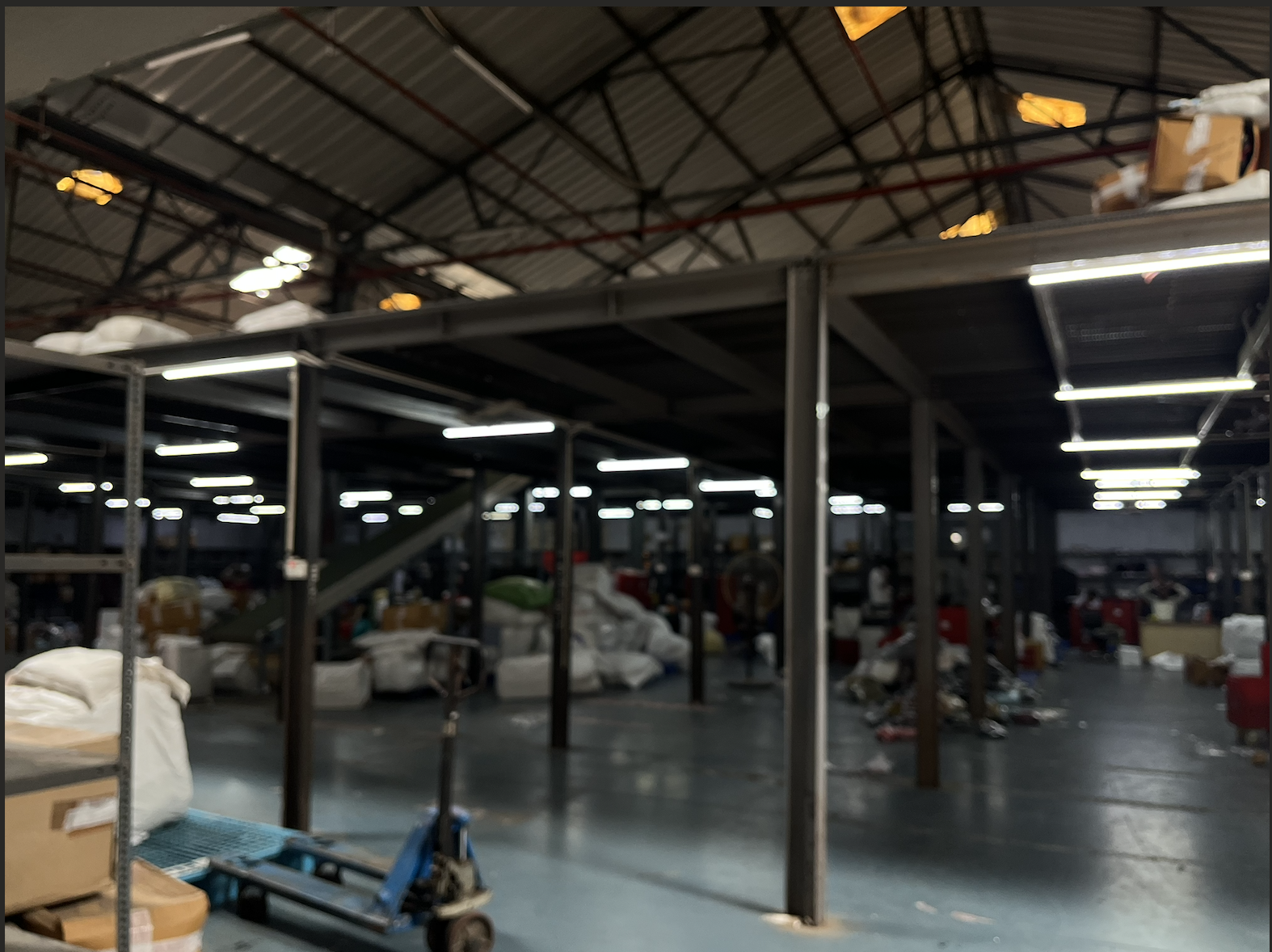
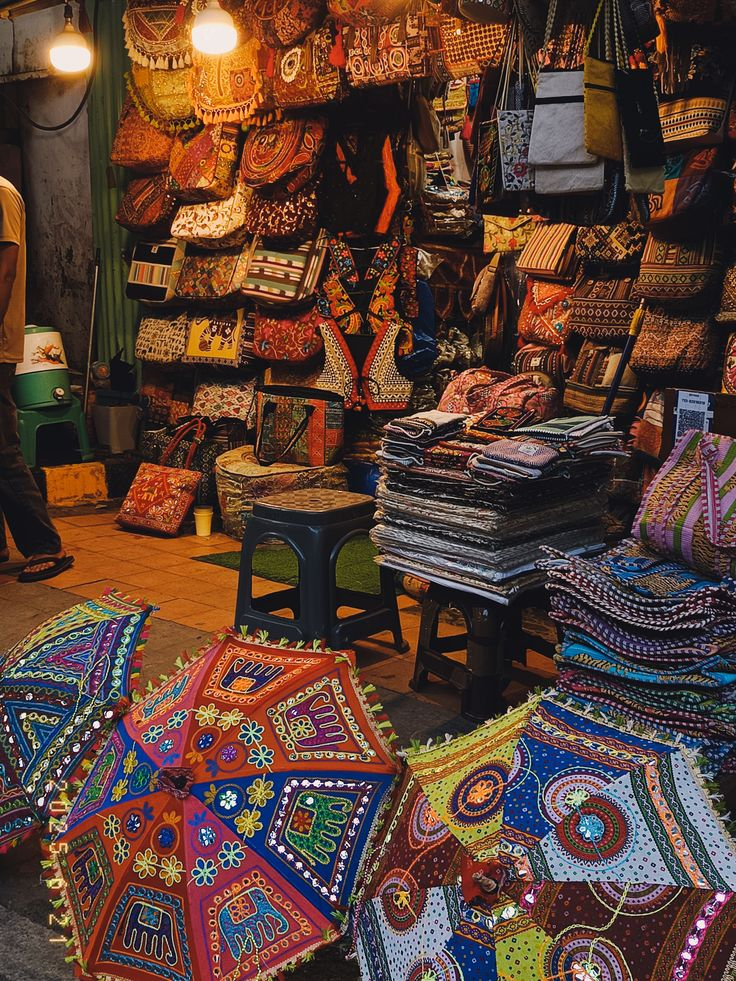
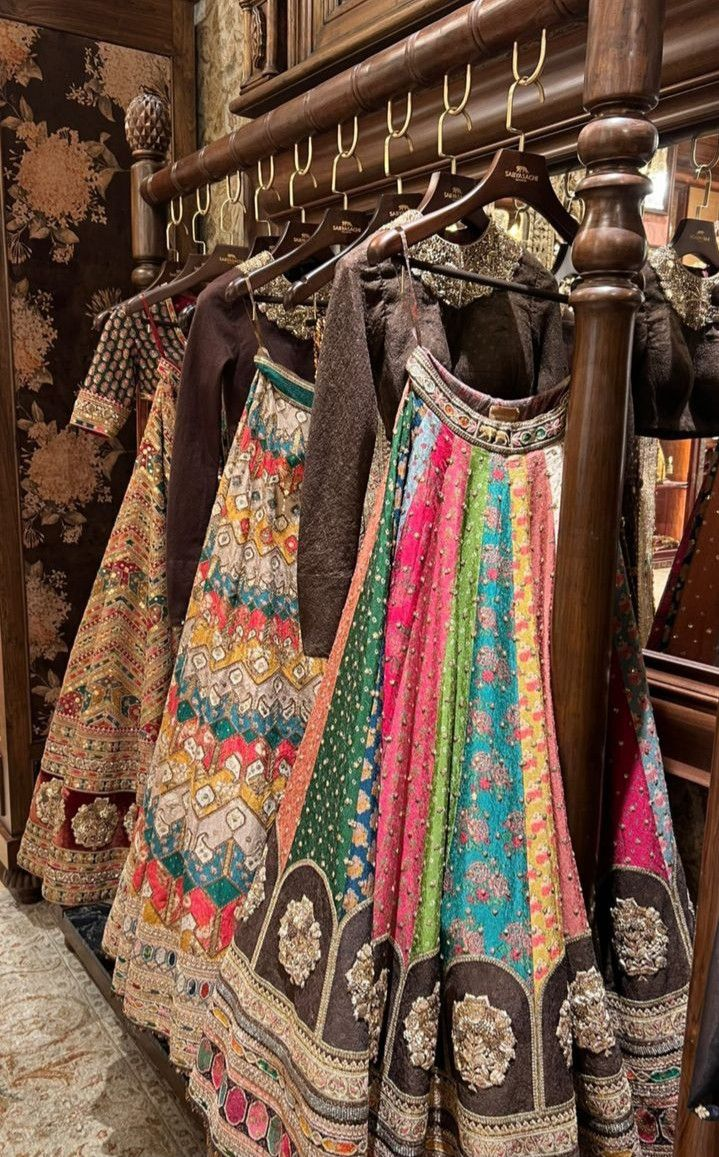
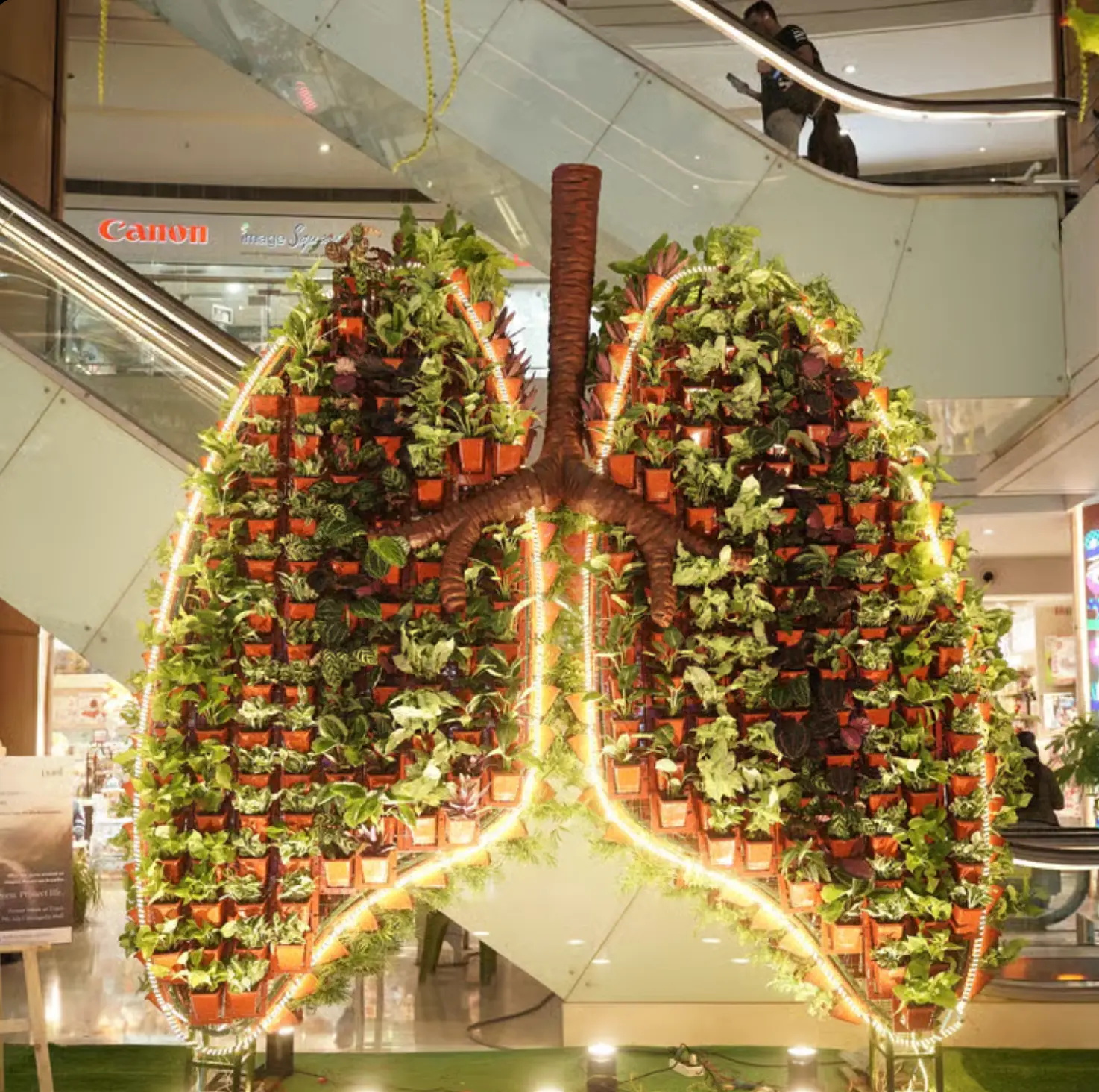
Our team went out into Kolkata to speak directly with consumers, observe different shopping environments and understand the issue beyond secondary research.

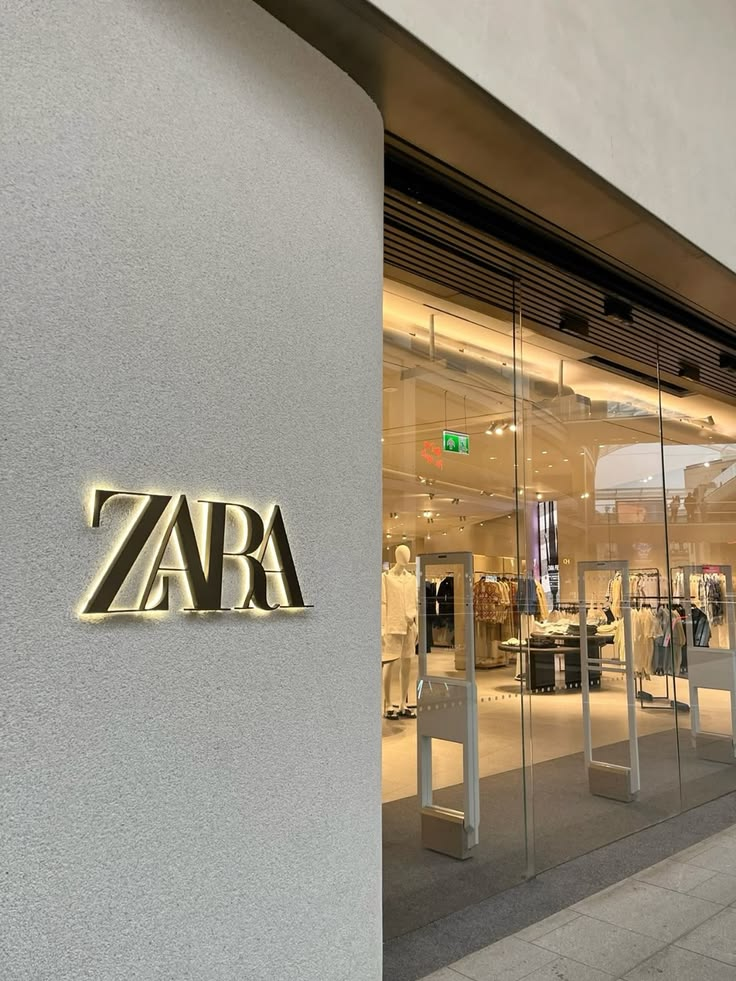
Project WornOut fieldwork at Zara, Kolkata
Zara
Project WornOut fieldwork at M Bazaar, Kolkata
M Bazaar
Project WornOut fieldwork at Gariahat Markets, Kolkata
Gariahat Markets
Project WornOut fieldwork at Bazaar Kolkata, Kolkata
Bazaar Kolkata
Project WornOut fieldwork at Acropolis Mall, Kolkata
Acropolis Mall
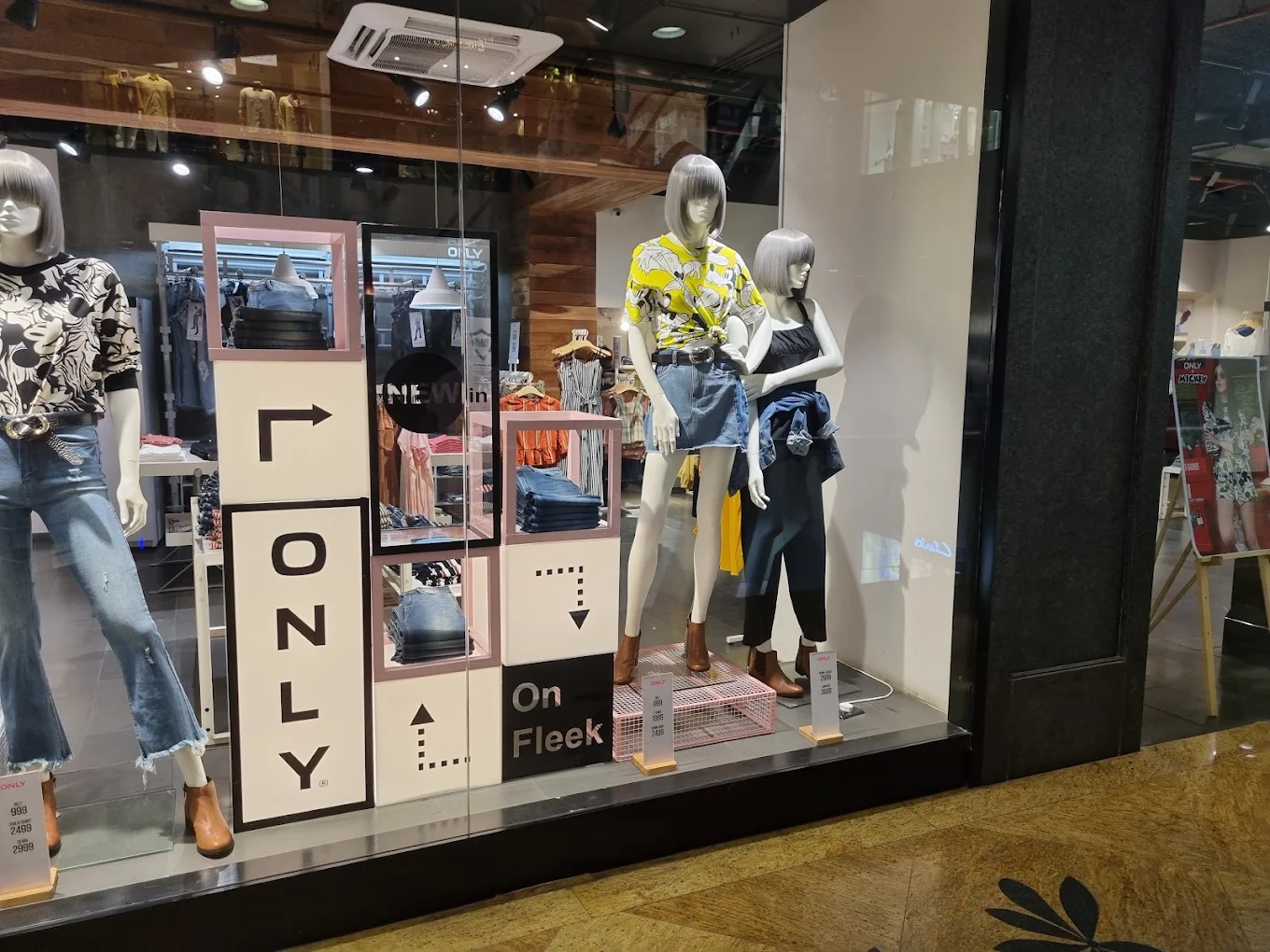
Project WornOut fieldwork at ONLY, Kolkata
ONLY
20+
Consumer interviews
7+
Locations visited
13–53
Age range / groups studied
Our interviewsWhat influenced peopleWhere we collected the evidenceNow test what influences you

So what actually makes us want something?

Explore Community Drive